
Does Caffeine Dehydrate You? What the Research Actually Shows
In this article
"Coffee does not count toward your water intake because it dehydrates you." It is one of the most repeated health tips around, and for most people it is wrong. Here is what the research on caffeine and hydration actually shows, the situations where caffeine does increase urine output, and how to think about hydration with d9-caffeine.
Where the myth comes from
Caffeine does have a mild diuretic effect, meaning it can briefly increase urine output. Early studies, often in people who were not used to caffeine and who took large doses, showed this clearly. The leap from "caffeine raises urine output" to "coffee dehydrates you" is where the myth went wrong.
What the research shows
Coffee vs water in regular drinkers
A 2014 study had 50 men who regularly drank three to six cups of coffee a day drink four 200 mL cups of coffee daily for three days, providing about 300 mg of caffeine a day, and compared that with the same amount of water. There was no difference in total body water, 24-hour urine volume or any blood or urine marker of hydration. Coffee hydrated them as well as water.
The beverage hydration index
A 2016 study had 72 men drink a liter of different beverages and measured urine output over four hours. Coffee was not different from water. Only oral rehydration solution and milk retained more fluid than water.
When caffeine does raise urine output
A 2003 review concluded that acute doses of at least 250 to 300 mg can briefly increase urine output, mainly in people who have gone days or weeks without caffeine. Regular users develop a strong tolerance to this effect, and normal servings show no meaningful diuretic action.
| Situation | Effect on hydration |
|---|---|
| Regular coffee drinker, normal servings | Hydrates about as well as water |
| Large dose after days without caffeine | Brief increase in urine output |
| Caffeine plus alcohol, heat or heavy sweating | Plan extra fluids; the other factors matter more |
Practical hydration tips
- Count your coffee and tea toward your daily fluids if you drink them regularly.
- Drink water through the day, more in heat and during exercise.
- Watch your urine color: pale yellow is a good sign.
- Be careful with energy drinks, which add sugar and large caffeine doses. See energy drinks vs coffee.
Where d9-caffeine fits
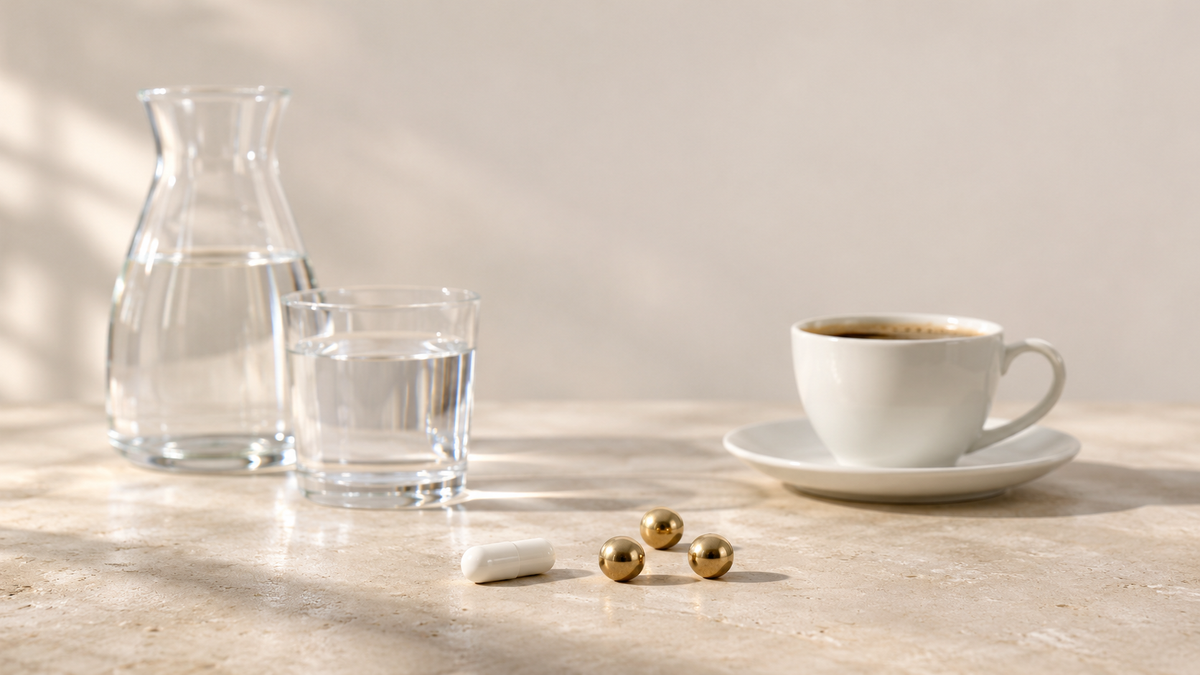
d9-caffeine is caffeine with nine hydrogen atoms replaced by deuterium, which slows how fast the liver breaks it down. In a 2022 double-blind study in 20 healthy adults, it was absorbed as quickly as regular caffeine and produced four to five times the total exposure over time. Caffeine 2.0 is a 22.5 mg capsule, so there is no large serving of liquid involved: take it with a full glass of water in the morning, and keep up your fluids through the day as usual. Our explainer on what d9-caffeine is covers the research.
Who should check with a physician first
If you have kidney disease, heart failure or a condition that requires a fluid limit, follow your physician's advice on fluids and caffeine. Skip d9-caffeine, or talk to your physician first, if you are pregnant or breastfeeding, under 18, sensitive to caffeine, or have a heart condition, high blood pressure, an arrhythmia, an anxiety disorder or a sleep disorder, and check with your physician or pharmacist if you take prescription medication, including diuretics.
How Vita Bloom fits
Caffeine 2.0 delivers 22.5 mg of patented Deura9® d9-caffeine per capsule, with nothing else active. Take one capsule in the morning with a glass of water, up to four a day, and never exceed 90 mg of d9-caffeine.
Frequently asked questions
Does coffee count toward water intake?
For regular coffee drinkers, yes. In a 2014 study, moderate coffee intake hydrated as well as the same amount of water.
Is caffeine a diuretic?
Mildly, and mainly at doses of 250 to 300 mg or more in people who are not used to caffeine. Regular users build up a tolerance.
Should I drink water with coffee?
It is a good habit, especially in heat or during exercise, but coffee itself does not dehydrate regular drinkers.
Does d9-caffeine dehydrate you?
Caffeine 2.0 is a small 22.5 mg capsule. Take it with a full glass of water and keep drinking through the day as usual.
Deura9® is a registered trademark of Lennham Pharmaceuticals, Inc. under exclusive license to d9 Designs Inc.
These statements have not been evaluated by the Food and Drug Administration. This product is not intended to diagnose, treat, cure, or prevent any disease.
Educational information, not personal medical advice. Ingredient research does not establish that a finished supplement treats or prevents a disease. Follow your product label and ask your healthcare professional about personal suitability.
Questions or a suggested correction? →

Leave a comment
This site is protected by hCaptcha and the hCaptcha Privacy Policy and Terms of Service apply.